
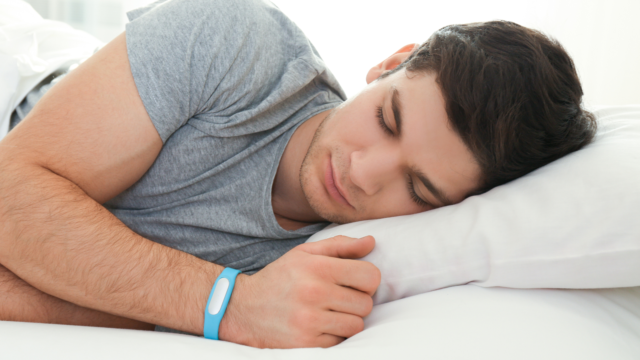
Sleep trackers provide valuable data that helps individuals monitor their recovery by analysing the quality and duration of sleep. They measure key indicators such as sleep stages, heart rate, and movement, offering insights into how well the body is resting and recovering.
By understanding sleep patterns, users can identify disruptions or insufficient rest that may hinder recovery from physical exertion, stress, or illness. Sleep tracking allows for informed adjustments to routines, improving overall recovery outcomes.
These devices give objective feedback, enabling better decision-making about rest and activity levels. This continuous monitoring supports optimal recovery strategies based on personalised sleep data.
Key Ways Sleep Trackers Monitor Recovery
Sleep trackers provide detailed insights into physical recovery by analysing individual biological signals during sleep. They focus on sleep quality, physiological changes, and the body’s ability to repair itself. These devices offer data on sleep structure, heart rate variability, and breathing patterns, all critical for assessing recovery status.
Understanding Sleep Patterns and Cycles
Sleep trackers record sleep patterns by measuring movements and physiological signals throughout the night. They identify sleep cycles, which typically last 90 to 110 minutes, involving transitions through different stages. Understanding these cycles helps gauge how well the body cycles through restorative phases.
A complete sleep cycle includes periods of light, deep, and REM sleep. Sleep trackers alert users to disruptions or irregularities in their sleep cycles, which can indicate impaired recovery. Consistent patterns of uninterrupted cycles often signify more effective physical and cognitive restoration.
Analysing Sleep Stages: Deep, Light, and REM Sleep
Sleep trackers categorise sleep into three main stages: light, deep, and REM sleep. Light sleep serves as a transitional phase, during which bodily functions slow down. Deep sleep is the most physically restorative stage, where tissue repair and muscle growth mainly occur. REM sleep supports brain function, emotional recovery, and memory consolidation.
By tracking the duration and quality of each stage, sleep trackers quantify how much rest the body achieves per night. Reduced deep or REM sleep can signal insufficient recovery, fatigue, or stress. Monitoring these stages helps users adjust lifestyle habits for better sleep quality aligned with recovery needs.
Tracking Heart Rate Variability and Breathing Rate
Modern sleep trackers measure heart rate variability (HRV) and breathing rate as key recovery metrics. HRV reflects the balance between the sympathetic and parasympathetic nervous systems; higher variability typically indicates better autonomic recovery. Low HRV can suggest stress, overtraining, or poor recovery.
Breathing rate during sleep reveals respiratory health and can detect irregularities affecting rest. Changes in breathing patterns can signal underlying issues like sleep apnoea or stress-related breathing disturbances. Monitoring these metrics allows for a more comprehensive view of recovery beyond sleep duration alone.
Sleep Tracking Technology and Data Insights
Sleep trackers use a variety of sensors and algorithms to monitor sleep stages, movement, and physiological data. This technology provides users with actionable metrics to better understand their rest patterns and recovery status. The data collected varies in detail and accuracy depending on the device and method used.
Types of Sleep Trackers and Wearable Devices
Sleep trackers come in several forms, mainly wrist-worn devices like smartwatches and fitness trackers. Popular examples include the Apple Watch, Fitbit, Garmin, Whoop Strap, and Oura Ring. These devices use accelerometers and actigraphy to measure movement, combined with heart rate sensors to estimate sleep stages.
Some trackers focus on simple sleep duration and interruptions, while others provide detailed insights such as REM, light, and deep sleep phases. Non-wearable options like bedside sensors and phone apps exist but are less common. Wearables offer the advantage of continuous monitoring and integration with health platforms.
How Sleep Data Supports Recovery
Sleep data helps identify how much restorative sleep a person achieves, which is crucial for muscle repair, cognitive function, and immune health. Sleep scores typically combine factors like duration, efficiency, and disturbances to quantify rest quality.
By tracking trends over time, users can adjust behaviours or training loads to avoid overtraining and promote better recovery. Wearables also monitor heart rate variability (HRV), a key indicator of recovery status. This data enables athletes and active individuals to make informed decisions about rest needs.
Accuracy and Limitations Compared to Polysomnography
Polysomnography (PSG) remains the gold standard for sleep measurement, recording brain waves, eye movements, muscle activity, and heart rate. Sleep trackers rely mainly on movement and heart rate, making them less precise in detecting sleep stages.
Studies show that wearables can accurately measure total sleep time and wake periods, but struggle with distinguishing between sleep phases. Users should interpret data with caution, recognising that trackers provide estimates rather than clinical diagnoses.
Despite limitations, sleep trackers deliver valuable daily insights and are practical tools for ongoing sleep and recovery monitoring outside laboratory settings.
Benefits of Monitoring Sleep for Optimised Recovery
Tracking sleep provides precise insights into rest patterns and disturbances, helping optimise physical and mental restoration. Consistent monitoring aids in identifying factors that reduce sleep quality and efficiency, which can hinder recovery processes.
Enhancing Sleep Quality and Efficiency
Sleep trackers measure metrics such as total sleep time, sleep stages, and interruptions, offering clear data on sleep quality and sleep efficiency. This allows individuals to pinpoint causes of fragmented sleep or frequent awakenings.
Improved sleep quality through better habits or environment adjustments, informed by these metrics, fosters deeper and more restorative sleep. Higher sleep efficiency reduces time awake during the night, maximising the period spent in beneficial stages like REM and deep sleep.
By addressing issues such as sleep disturbances early, users can maintain a consistent, high-quality sleep routine, which is essential for effective recovery.
Improving Muscle Recovery and Energy Levels
Quality sleep directly supports muscle recovery by promoting protein synthesis and tissue repair during deep sleep phases. Sleep trackers highlight insufficient deep sleep, alerting users to potential delays in physical healing.
Regular monitoring helps manage energy levels by flagging days with poor sleep, encouraging adjustments in training intensity or rest days to prevent overtraining and fatigue. Accurate data ensures recovery strategies align with the body’s actual rest needs.
Tracking offers tailored feedback to optimise rest periods, which enhances daytime energy and supports ongoing physical performance.
Impacts on Cognitive Function and Emotional Stability
Consistent, high-quality sleep contributes to maintaining sharp cognitive function, including memory, concentration, and decision-making ability. Sleep trackers identify patterns that might lead to cognitive decline, such as fragmented sleep or reduced REM duration.
Tracking sleep also helps manage emotional stability, as disrupted sleep often correlates with mood swings and increased stress. Knowing sleep patterns aids in implementing behavioural changes to reduce anxiety and improve overall mental health.
This monitoring allows users to act proactively, maintaining mental clarity and emotional resilience essential for daily functioning and recovery.
Practical Applications and Lifestyle Adjustments
Sleep trackers provide detailed insights that guide changes in daily routines and recovery strategies. They highlight specific behaviours, environmental factors, and physiological responses critical for improving overall rest and healing.
Optimising Sleep Habits and Routine
By analysing sleep stages and duration, trackers help establish consistent sleep schedules tuned to individual needs. Users can identify the best bedtime and wake time to align with natural circadian rhythms and improve sleep efficiency.
Improving the sleep environment is another key focus. Trackers may detect disturbances linked to noise, light, or room temperature, encouraging adjustments that promote uninterrupted rest.
Incorporating relaxation techniques such as guided breathing or meditation before bed can be evaluated by changes in heart rate variability and sleep onset time recorded by the device. This data supports evidence-based improvements in sleep hygiene and habits.
Addressing Sleep Issues and Disorders
Sleep trackers assist in identifying irregular patterns indicative of sleep disorders like insomnia or sleep apnoea. Data such as frequent awakenings or abnormal breathing can prompt medical consultation.
Tracking trends over time enables early detection of sleep disturbances, allowing users to adjust lifestyle factors such as caffeine intake, screen time, or stress management.
These devices also help monitor the effectiveness of interventions, for example, changes in sleep quality after treatment for a disorder. This ensures continual optimisation of recovery strategies based on objective data.
Personalising Recovery for Athletes and Daily Life
For elite athletes, sleep trackers tailor recovery by correlating activity load with sleep quality metrics. They reveal when additional rest or altered training schedules are necessary to prevent overtraining.
Athletes can track sleep architecture changes after physical exertion, fine-tuning practices to enhance muscle repair and mental restoration.
In everyday life, personalising recovery through sleep data helps balance work, exercise, and social activities, ensuring sufficient rest. Adjustments to sleep routine based on tracker insights can improve productivity and reduce fatigue.