
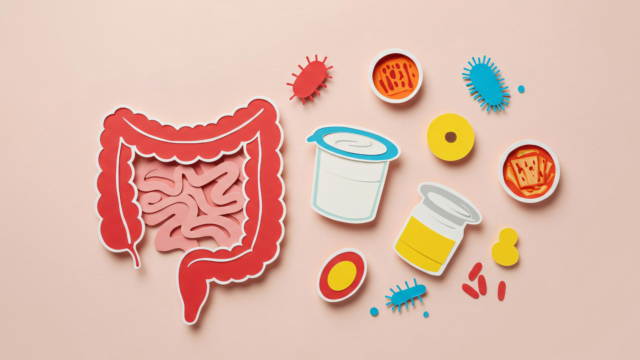
The gut microbiome plays a significant role in overall wellness by influencing digestion, immunity, and even mental health. Research shows that the balance of bacteria in the gut can affect how the body absorbs nutrients and fights illness. A healthy gut microbiome is a strong indicator of general health and well-being.
Imbalances in gut bacteria have been linked to a range of conditions, including inflammation and mood disorders. Understanding what the gut microbiome communicates about the body can offer valuable insights into preventing and managing these issues. This makes the microbiome a key focus in modern health research.
Exploring the gut microbiome reveals how lifestyle, diet, and medication impact overall health. It highlights why maintaining gut health is not just about digestion but is integral to a person’s full wellness picture.
Understanding the Gut Microbiome
The gut microbiome consists of a complex community of microorganisms that directly impact digestive processes and influence overall health. Its balance and composition are shaped by several internal and external factors, affecting how the body absorbs nutrients and defends against illnesses.
Composition and Diversity of Gut Bacteria
The gut microbiome includes thousands of species of bacteria, fungi, viruses, and other microbes, with bacteria being the most studied. Major bacterial phyla include Firmicutes, Bacteroidetes, Actinobacteria, and Proteobacteria. Each person has a unique mix, which varies based on genetics, diet, and environment.
Diversity within the gut microbiota is linked to better health outcomes. Higher microbial diversity generally supports improved digestion and immune function. Loss of diversity is associated with conditions such as obesity, inflammatory bowel disease, and metabolic disorders.
Role of Gut Microbiota in Digestion
Gut bacteria break down complex carbohydrates and fibre that the human body cannot digest unaided. This fermentation process produces short-chain fatty acids (SCFAs), such as butyrate, acetate, and propionate, which provide energy for colon cells and regulate inflammation.
Microbiota also aid in vitamin synthesis, including vitamins B and K. They contribute to nutrient absorption and help maintain the gut barrier, preventing harmful pathogens from entering the bloodstream. Disruption in these functions can lead to malabsorption and increased gut permeability.
Factors Influencing Gut Microbiome Health
Diet is one of the most significant factors affecting gut microbiota composition. High-fibre, plant-based diets tend to promote diverse, beneficial gut bacteria, while high-fat, processed foods reduce diversity. Antibiotics can drastically alter gut microbiota, sometimes causing lasting imbalances.
Other factors include stress, exercise, age, and genetics. Environmental exposures and hygiene also play a role. Maintaining a varied diet rich in prebiotics and probiotics helps support a healthy gut microbiome.
Link Between Gut Microbiome and Overall Wellness
The gut microbiome plays a crucial role in several key areas of health. It directly influences immune responses, mental well-being, and metabolic processes, shaping how the body functions day to day.
Gut Health and Immune System Function
The gut microbiome helps regulate the immune system by maintaining the integrity of the gut lining. A balanced microbiome prevents harmful bacteria from crossing into the bloodstream, reducing infection risk.
Certain beneficial bacteria stimulate immune cells and produce metabolites that modulate inflammation. Imbalanced gut flora, or dysbiosis, has been linked to increased susceptibility to infections and autoimmune disorders.
Regular consumption of fibre-rich foods supports healthy microbiome diversity, which in turn enhances immune function. This interaction between gut bacteria and immune cells is essential in controlling immune responses and preventing chronic inflammation.
Impact on Mental Health and Brain Function
The gut microbiome communicates with the brain via the gut-brain axis, influencing mood and cognitive function. It produces neurotransmitters like serotonin and GABA, which regulate anxiety and depression symptoms.
Changes in gut flora composition have been associated with mental health conditions such as anxiety, depression, and even neurodevelopmental disorders. This suggests that gut health is a factor in psychological well-being.
Probiotics and dietary interventions targeting the microbiome show promise in supporting brain function. However, individual responses vary, and more research is needed to determine precise mechanisms.
Metabolic Health and Body Weight
Gut bacteria affect metabolic pathways, including glucose metabolism and fat storage. Certain microbial profiles are linked with obesity, insulin resistance, and type 2 diabetes.
The microbiome influences how the body extracts energy from food and regulates hormones related to appetite and satiety. For example, some species increase calorie absorption while others promote fat breakdown.
Dietary choices that support beneficial gut bacteria can improve metabolic health. Maintaining microbial diversity helps regulate body weight and reduces the risk of metabolic diseases.
Dietary and Lifestyle Strategies for a Balanced Gut Microbiome
A balanced gut microbiome depends heavily on specific dietary choices and lifestyle factors. Consuming the right nutrients and maintaining healthy habits can support beneficial bacteria and improve gut function.
Importance of Fibre and Prebiotics
Fibre acts as the primary fuel for many gut bacteria, promoting their growth and diversity. Sources rich in soluble and insoluble fibre include oats, beans, vegetables, and whole grains. These help increase stool bulk and improve bowel regularity.
Prebiotics are a subset of fibre that selectively nourish beneficial microbes. Common prebiotics, such as inulin and fructooligosaccharides (FOS), are found in garlic, onions, leeks, and asparagus. Regular intake enhances populations of bacteria like Bifidobacteria, which are linked to immune function and reduced inflammation.
Including a variety of fibre types daily supports microbial diversity, helps maintain gut barrier integrity, and contributes to metabolic health.
Role of Probiotics and Biotics
Probiotics are live microorganisms that, when consumed in adequate amounts, confer health benefits. Common probiotic strains include Lactobacillus and Bifidobacterium. These are often found in fermented foods like yoghurt, kefir, sauerkraut, and kimchi.
Biotics refer to substances that include both prebiotics and probiotics, aimed at modulating the gut flora. Using biotic combinations may enhance gut microbial balance more effectively than probiotics or prebiotics alone.
Probiotics can aid digestion, reduce symptoms of irritable bowel syndrome, and support immune responses. It is important to choose varied strains and ensure viable counts for the best results.
Managing Stress and Sleep
Chronic stress negatively impacts gut bacteria by altering gut motility and increasing inflammation. Stress management techniques such as mindfulness, exercise, and adequate rest have been shown to support microbial health.
Quality sleep is crucial for a stable gut microbiome. Sleep disruptions affect circadian rhythms, influencing bacterial composition and metabolic functions. Adults should aim for 7-9 hours of uninterrupted sleep to allow the gut ecosystem to maintain balance.
Together, stress reduction and sleep hygiene help maintain gut barrier function and reduce the risk of dysbiosis-related conditions.
Recognising and Addressing Gut Imbalances
Gut imbalances often present with specific symptoms and can arise from various causes. Identifying these signs early aids in addressing underlying issues affecting gut health and overall well-being.
Common Signs and Symptoms
Symptoms of gut imbalances include persistent gas, bloating, diarrhoea, or constipation. Individuals may also experience abdominal discomfort, fatigue, or unexplained food intolerances.
Changes in stool consistency and frequency can signal disruptions in the gut microbiome. Recurrent infections or skin issues, such as rashes, sometimes point to gut-related problems.
These symptoms vary depending on the severity and type of imbalance. Monitoring these signs carefully helps in timely intervention.
Potential Causes and Medical Considerations
Gut imbalances may result from antibiotic overuse, poor diet, stress, or infections. A diet high in processed foods and low in fibre disrupts the diversity of gut bacteria.
Medical conditions like irritable bowel syndrome (IBS), small intestinal bacterial overgrowth (SIBO), and inflammatory bowel disease (IBD) impact gut health significantly. Diagnosing these often requires professional testing, including stool analysis or breath tests.
Lifestyle factors, including sleep disruption and chronic stress, also reduce gut microbial diversity, worsening symptoms. Addressing these factors is essential in restoring balance.