
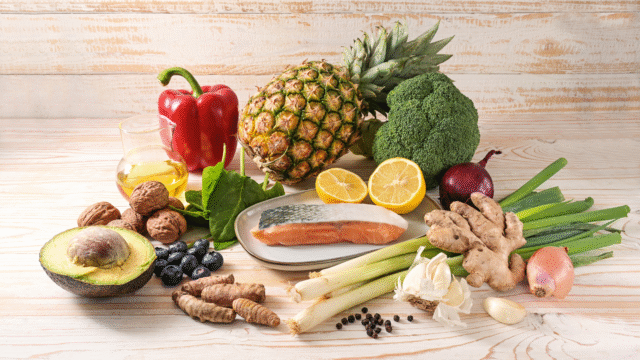
Chronic inflammation can significantly impact health, contributing to various diseases such as diabetes, heart disease, and arthritis. Incorporating anti-inflammatory foods into a diet can help reduce inflammation and promote overall wellness. Research supports the benefits of specific foods known for their anti-inflammatory properties, enabling individuals to make informed choices for better health.
An anti-inflammatory diet typically includes foods rich in antioxidants, omega-3 fatty acids, and fibre. Ingredients such as leafy green vegetables, fatty fish, nuts, and berries are celebrated for their ability to combat inflammation in the body. By focusing on these nutrient-dense options, one can support their health and potentially decrease the risk of chronic diseases associated with prolonged inflammation.
Understanding the role of these foods and how they work within the body can empower individuals to make significant dietary changes. As science uncovers more about the link between diet and inflammation, the importance of embracing an anti-inflammatory lifestyle becomes increasingly clear.
The Science Behind Inflammation and Diet
Diet plays a crucial role in the modulation of inflammation within the body. Understanding the interaction between inflammatory processes and dietary choices can help in preventing and managing chronic diseases.
Understanding Inflammation
Inflammation is a natural response of the body’s immune system to injury or infection. It serves as a protective mechanism aimed at healing tissues and fighting pathogens. Key players in this process include immune cells that release various chemicals, leading to increased blood flow and the accumulation of protective substances at the injury site.
While acute inflammation is essential for recovery, persistent inflammation can be harmful. Factors such as diet, physical inactivity, and stress can influence this balance. Research has shown that certain foods can either promote or reduce inflammation.
The Inflammatory Response
The inflammatory response begins when the body identifies harmful stimuli like pathogens or damaged cells. C-reactive protein (CRP), a marker of inflammation, is often measured in clinical settings. Elevated CRP levels are associated with conditions such as cardiovascular disease and diabetes.
When responding to an inflammatory trigger, immune cells release cytokines that communicate distress signals. This response leads to the classic symptoms of inflammation: redness, swelling, heat, and pain. The inflammatory response is crucial, but if it becomes chronic, it can lead to serious health issues.
Chronic Inflammation and Disease
Chronic inflammation occurs when the immune system remains activated for extended periods, leading to tissue damage. This condition is linked to several chronic diseases, including type 2 diabetes, rheumatoid arthritis, and certain cancers.
In chronic conditions, inflammatory markers such as CRP remain elevated. This ongoing inflammation can also contribute to cardiovascular disease by affecting blood vessels and cholesterol levels. Lifestyle factors, particularly dietary choices, play a significant role in either exacerbating or mitigating chronic inflammation, making the study of anti-inflammatory foods essential for long-term health management.
Top Anti-Inflammatory Foods Backed by Science
Incorporating specific foods into one’s diet can play a crucial role in managing inflammation. This section presents scientifically supported options that can help combat inflammation effectively.
Fatty Fish and Omega-3 Sources
Fatty fish are rich in omega-3 fatty acids, which are essential for reducing inflammation in the body. Salmon, mackerel, sardines, and herring are particularly high in these beneficial fats. Studies indicate that omega-3s can decrease the production of inflammatory substances, such as cytokines.
Fish oil supplements also provide a concentrated source of omega-3s. Regular consumption of fatty fish can lower markers of inflammation, such as C-reactive protein (CRP). Aiming for at least two servings of fatty fish per week is advisable for those looking to support their anti-inflammatory diet.
Fruits and Berries Rich in Antioxidants
Fruits and berries are abundant in antioxidants, which help combat oxidative stress and inflammation. Blueberries, blackberries, and cherries contain high levels of polyphenols, known for their anti-inflammatory properties.
Citrus fruits, like oranges and grapefruits, provide vitamin C, which also contributes to reducing inflammation. Pineapple contains bromelain, an enzyme that may aid in reducing swelling and pain. Including a variety of these fruits in the diet can enhance the body’s ability to fight inflammation.
Vegetables and Leafy Greens
Vegetables, especially leafy greens, are vital for an anti-inflammatory diet. Broccoli, cauliflower, Brussels sprouts, and kale are high in vitamins, minerals, and phytonutrients. These compounds are known to lower inflammation and support overall health.
Root vegetables, like carrots and sweet potatoes, also contribute valuable nutrients and fibre. Zucchini is another excellent addition, containing antioxidants that combat inflammation. Eating a diverse range of vegetables ensures a broad spectrum of nutrients to fight inflammation effectively.
Nuts, Seeds, and Healthy Fats
Nuts and seeds are excellent sources of healthy fats, vitamin E, and antioxidants. Walnuts and almonds, in particular, are rich in omega-3 fatty acids and have been shown to reduce inflammation markers.
Avocados provide monounsaturated fats that support heart health and decrease inflammation. Nut butters also offer similar benefits, making them a nutritious addition to meals. Including a small handful of nuts or seeds daily can significantly impact inflammation levels.
Dietary Patterns and Foods to Emphasise or Avoid
Focusing on specific dietary patterns and foods can significantly aid in reducing inflammation. Certain diets and food types are closely linked to better health outcomes. This section delves into the dietary choices that can promote anti-inflammatory effects and those that might trigger inflammation.
The Mediterranean and Anti-Inflammatory Diets
The Mediterranean diet is recognised for its emphasis on whole foods and healthy fats. It includes abundant fruits, vegetables, nuts, seeds, olive oil, fish, and whole grains. These components provide antioxidants and anti-inflammatory compounds.
Anti-inflammatory diets often mirror the Mediterranean approach, prioritising plant-based foods. This includes foods rich in omega-3 fatty acids, like salmon and sardines, which contribute to reduced inflammation. Emphasising whole, unprocessed foods while minimising red and processed meats aligns with this dietary method.
Legumes, Whole Grains, and Fibre-Rich Foods
Legumes such as beans, lentils, chickpeas, and peas are excellent sources of protein and fibre. They provide essential nutrients while keeping blood sugar levels stable, which can help manage inflammation. Whole grains, including brown rice and whole grain bread, are also crucial in this dietary approach.
Fibre-rich foods contribute to gut health by promoting beneficial bacteria. A strong gut microbiome plays a role in reducing inflammation. Incorporating a variety of legumes and whole grains helps achieve this balance and supports overall health.
Fermented Foods and Gut Health
Fermented foods are vital for enhancing gut health due to their probiotic content. Foods like yoghurt, Greek yoghurt, and kefir provide beneficial bacteria that aid digestion. These probiotics help maintain a healthy gut, which can influence systemic inflammation.
Regular consumption of fermented foods can improve overall well-being. They support the immune system and may help mitigate inflammation linked to an unhealthy diet. Including a variety of these foods encourages a diverse microbiome.
Foods That May Trigger Inflammation
Certain foods can exacerbate inflammation and should be minimised in an anti-inflammatory diet. Processed foods often contain added sugars, unhealthy fats, and excessive salt. These ingredients can lead to an increase in inflammatory markers.
Red meat and trans fats have also been associated with heightened inflammation. Saturated fats, commonly found in dairy and fatty cuts of meat, can pose risks if consumed in excess. Avoiding these foods can help reduce the risk of inflammation-related health issues.
Practical Guidance for Reducing Inflammation
A practical approach to reducing inflammation involves creating a balanced anti-inflammatory meal plan and incorporating lifestyle factors that have a positive impact on overall health. Attention to diet and lifestyle can significantly influence inflammation levels in the body.
Building a Balanced, Anti-Inflammatory Meal Plan
An effective meal plan should emphasise a variety of nutrient-rich foods. This includes:
- Healthy Fats: Incorporate sources such as olive oil, avocados, and nuts to provide essential fatty acids. Omega-3 fatty acids from fish like salmon help to lower inflammatory markers.
- Lean Proteins: Choose options like poultry, beans, and lentils, which offer protein without added saturated fats.Fruits and Vegetables: Aim for a colourful array to maximise vitamin C and minerals. Berries, oranges, and leafy greens are particularly beneficial.
- Herbs and Spices: Flavour meals with turmeric, garlic, and black pepper, all known for their anti-inflammatory properties. Turmeric contains curcumin, which has been shown to reduce inflammation.
Creating a meal plan rich in these foods can help manage inflammation and contribute to reduced risks of diseases such as heart disease and cancer.
Lifestyle Factors Affecting Inflammation
In addition to diet, certain lifestyle habits significantly influence inflammation levels.
- Physical Activity: Regular exercise is crucial. It helps maintain a healthy weight and reduces inflammatory markers in the body. Activities can include walking, swimming, or strength training.
- Sleep: Adequate sleep is vital for recovery and reducing stress levels. Chronic sleep deprivation can exacerbate inflammation.
- Stress Management: Incorporate practices such as meditation or yoga to lower stress, which can be a contributing factor to inflammation.
By focusing on these lifestyle factors alongside a proper diet, individuals can effectively reduce inflammation and enhance their overall health.