
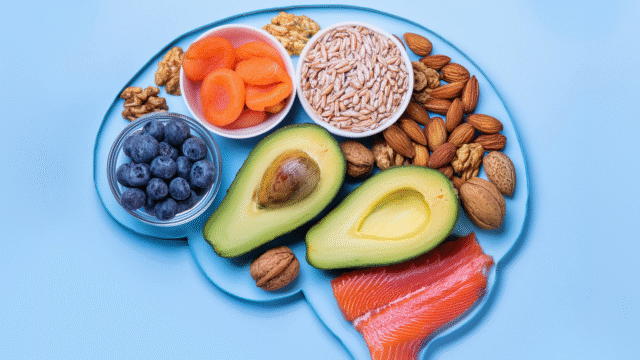
A diet tailored for brain health can significantly enhance cognitive function and overall mental performance. Incorporating foods rich in omega-3 fatty acids, antioxidants, and vitamins can improve cognition and support brain health. Individuals seeking to optimise their diet for stronger cognitive health should focus on various nutrients that nourish the brain.
Certain foods have been shown to protect against cognitive decline, while others can enhance memory and concentration. For instance, leafy greens, berries, and fatty fish are known for their brain-boosting properties. Individuals must not only consider what to eat but also how to create sustainable eating habits that support long-term brain function.
Hydration plays a crucial role in maintaining cognitive abilities as well. Consuming sufficient water and limiting sugar and processed foods can help optimise brain function. By making conscious dietary choices, anyone can take proactive steps towards better brain health and improved cognition.
Understanding the Link Between Diet and Brain Function
Diet plays a crucial role in supporting cognitive health and performance. Specific nutrients not only enhance memory function but also contribute to the prevention of cognitive decline as the brain ages. Maintaining vascular health is essential for optimal blood flow, which in turn supports brain function.
Key Nutrients for Cognitive Performance
Several nutrients are integral to cognitive function. Omega-3 fatty acids, found in fish, walnuts, and flaxseeds, support brain structure and function. Antioxidants, particularly from fruits like berries, combat oxidative stress that can impair memory.
Vitamins such as B vitamins, Vitamin D, and Vitamin E have shown promise in reducing the risk of dementia. Minerals like magnesium and zinc also play important roles in neuronal communication and protecting neurons from damage.
A diet rich in these nutrients can bolster cognitive performance, enhance focus, and improve memory retention over time.
Brain Ageing and Cognitive Decline
Brain ageing often leads to cognitive decline, manifesting as memory loss or slowed thinking. Inadequate nutrition can accelerate this process. Diets high in saturated fats and sugars have been linked to greater risks of Alzheimer’s disease and other dementias.
Conversely, diets such as the Mediterranean diet or DASH diet, which are rich in plant-based foods, healthy fats, and whole grains, may help preserve cognitive function. These eating patterns are associated with lower rates of cognitive decline and improved cognitive health among older adults.
Maintaining a healthy diet can be a crucial strategy in delaying the negative effects of brain ageing.
Blood Flow, Vascular Health, and Brain Support
Vascular health directly influences brain health. Proper blood flow is vital for delivering oxygen and nutrients essential for cognitive processes. Conditions such as hypertension and diabetes can impair blood flow, leading to increased risks of cognitive impairment.
Foods that promote vascular health include leafy greens, berries, and whole grains. These foods help maintain healthy blood pressure and improve circulation.
Moreover, regular physical activity enhances cardiovascular health, further supporting efficient blood flow to the brain. A combination of good nutrition and exercise can significantly aid in sustaining cognitive function as individuals age.
Principles of a Brain-Optimising Diet
A diet that supports brain function can significantly enhance cognitive abilities and overall mental health. Key aspects include specific dietary patterns and the inclusion of essential food groups that promote brain health.
The Mediterranean and MIND Diets
The Mediterranean diet is rich in healthy fats, such as olive oil, combined with a variety of fruits, vegetables, nuts, and fish. Research links this diet to improved cognitive function and a lower risk of neurodegenerative diseases.
The MIND (Mediterranean-DASH Diet Intervention for Neurodegenerative Delay) diet draws from both the Mediterranean and DASH diets and emphasises foods beneficial for brain health. It includes leafy greens, berries, nuts, whole grains, and fish. These foods provide nutrients like omega-3 fatty acids and antioxidants, both crucial for maintaining cognitive function.
Importance of Whole Grains, Fruits, and Vegetables
Whole grains provide essential nutrients and fibre, which aid in stabilising blood sugar levels. This is crucial for a consistent energy supply to the brain. Foods such as brown rice, quinoa, and whole oats should be integral to daily meals.
Fruits and vegetables are rich in antioxidants, vitamins, and minerals that support brain health. Berries, for example, contain flavonoids that have been shown to improve memory. Green leafy vegetables, like spinach and kale, are high in nutrients like vitamin K and folate, vital for cognitive functions.
Hydration and Blood Sugar Control
Proper hydration is vital for maintaining optimal brain performance. Dehydration can lead to cognitive impairment, affecting attention and memory. It is recommended to consume adequate water throughout the day.
Blood sugar control is also essential for cognitive health. Stable blood sugar levels can prevent energy crashes, which negatively impact concentration and focus. Consuming complex carbohydrates along with protein can help maintain stable levels. Snacking on nuts or yoghurt can sustain energy without overwhelming the body with sugars.
Foods and Nutrients That Enhance Brain Function
A well-rounded diet rich in specific foods and nutrients can significantly support brain function. Focusing on particular groups ensures a steady supply of essential vitamins and fatty acids vital for cognitive health.
Leafy Greens and Colourful Vegetables
Leafy greens, such as kale and spinach, are high in vitamins E and B, which contribute to brain health. These greens contain carotenoids and antioxidants that help combat oxidative stress, potentially reducing the risk of cognitive decline.
Colourful vegetables, including sweet potatoes and bell peppers, are also beneficial. They provide essential nutrients that support the brain’s structural integrity and functionality. The diverse range of vitamins found in these vegetables is important for neurotransmitter function.
Incorporating these nutrient-dense foods into meals can promote better memory and overall cognitive performance. Aim for a vibrant array of greens and colourful vegetables to maximise these benefits.
Omega-3-Rich Foods and Healthy Fats
Omega-3 fatty acids, primarily found in fatty fish like salmon, sardines, and mackerel, play a crucial role in maintaining brain health. These essential fats support the structure of brain cells and are linked to improved memory and mood regulation.
Besides fish, plant-based sources such as flaxseeds, chia seeds, and walnuts also provide omega-3s. Including these healthy fats in the diet supports anti-inflammatory processes, which can further enhance brain function.
Olive oil is another excellent source of healthy fats. It promotes brain longevity and protects against neurodegeneration. Incorporating these omega-3-rich foods can significantly impact cognitive function and mental well-being.
Nuts, Seeds, and Berries
Nuts, such as almonds, along with a variety of seeds, are excellent sources of vitamin E and antioxidants. These nutrients are known to protect against oxidative stress and inflammation, potentially reducing the risk of cognitive decline as one ages.
Berries, particularly blueberries, are rich in antioxidants and phytochemicals. They are believed to enhance communication between brain cells, improving memory and cognitive processing. Regular consumption of these fruits can lead to long-term benefits for brain function.
A small handful of nuts or a cup of berries can make a significant difference in a diet aimed at enhancing cognitive abilities. They are convenient snacks that provide vital nutrients for optimal brain health.
Fermented Foods and Gut Health
Fermented foods, such as yogurt, sauerkraut, and kimchi, are crucial for gut health. A healthy microbiome supports nutrient absorption, which directly influences brain function and mood. The gut-brain connection is an essential aspect of overall cognitive health.
Probiotics found in fermented foods can improve mental clarity and reduce anxiety. They help maintain a balanced gut flora, which can impact neurotransmitter production.
Incorporating a variety of fermented foods into the diet can lead to positive changes not just in gut health but in brain function as well. Regular consumption supports an overall healthier brain.
Lifestyle and Dietary Factors Influencing Cognitive Health
Cognitive health is significantly impacted by various lifestyle and dietary factors. Effective management of inflammation, dietary choices, and physical activity plays a crucial role in maintaining optimal brain function.
Managing Inflammation and Oxidative Stress
Chronic inflammation and oxidative stress are known to impair cognitive function. They can contribute to memory loss and slower processing speeds. Incorporating anti-inflammatory foods such as berries, leafy greens, and fatty fish can help mitigate these effects.
Antioxidant-rich foods combat oxidative stress. Items like nuts, seeds, and dark chocolate provide essential nutrients that protect brain cells. A diet low in refined sugars and high in whole foods can further reduce inflammation.
Lifestyle practices, including stress management techniques like yoga and mindfulness, can also help. Regularly engaging in these practices may enhance dopamine levels, thereby improving mood and cognitive health.
Limiting Saturated Fats and Processed Foods
Saturated fats and processed foods are linked to increased blood cholesterol and blood pressure, both of which negatively affect cognitive health. High consumption of these foods can lead to a greater risk of depression and memory issues.
Opt for healthier fats from sources such as olive oil, avocados, and fatty fish. These alternatives support brain health while reducing inflammation. A balanced diet rich in whole, unprocessed foods encourages better cognitive outcomes.
Reading food labels can help individuals avoid high levels of saturated fats and added sugars. Transitioning to whole grains, fresh fruits, and vegetables can create a foundation for improved mental clarity and attention.
Supporting Brain and Mental Health Through Physical Activity
Regular physical activity is essential for cognitive health. Exercise enhances blood flow to the brain, which may improve memory and attention. Activities such as walking, running, or cycling are effective for sustaining cognitive function.
Incorporating strength training and flexibility exercises, like yoga, can also be beneficial. These activities not only improve physical health but also help reduce stress and anxiety levels.
As exercise promotes the release of endorphins and dopamine, it supports overall mental well-being. Even moderate activity, performed several times a week, may be enough to enhance cognitive abilities and emotional health.