
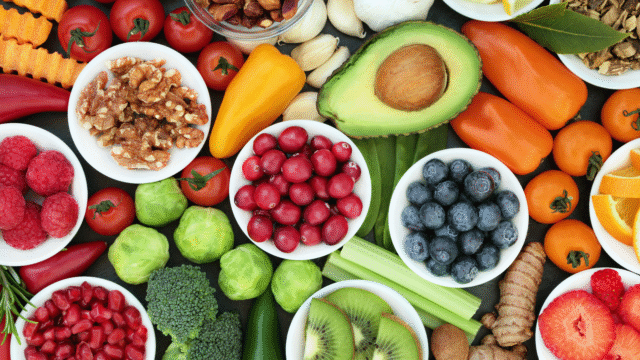
Superfoods have gained significant attention in recent years, often touted for their remarkable health benefits. These nutrient-dense foods, such as berries, leafy greens, and nuts, are believed to enhance well-being and support a healthy lifestyle. Research supports the idea that superfoods can improve various aspects of health, from boosting immunity to reducing the risk of chronic diseases.
The term “superfood” is often applied to foods with exceptionally high levels of vitamins, minerals, and antioxidants. Each superfood offers unique properties that may contribute to enhanced energy levels, improved digestion, and better heart health. With such a variety of options available, understanding how these foods impact health can help individuals make informed dietary choices.
In this blog post, readers will explore the science behind superfoods and discover how incorporating them into their diets can lead to tangible health benefits. Armed with research-based insights, they will gain a deeper appreciation for these potent foods and their role in promoting wellness.
Understanding Superfoods: What Sets Them Apart?
Superfoods are often celebrated for their exceptional nutritional profiles and health benefits. They are typically rich in vitamins, minerals, and antioxidants, making them a vital component of a balanced diet. The following subsections will detail their definitions, key nutrients, and clarify common misconceptions.
Defining Superfoods and Nutrient Density
Superfoods refer to foods that are exceptionally high in nutrient density, meaning they provide a significant amount of nutrients relative to their caloric content. Foods such as blueberries, quinoa, and kale are often classified as superfoods due to their high levels of antioxidants, vitamins, and minerals.
Nutrient density can be quantified through various measures, including the Nutrient Density Index (NDI). This index weighs nutrients against calorie content, reflecting health benefits. Foods with low calorie counts that offer substantial vitamins and minerals fit this definition well. This makes superfoods a smart choice for those seeking to enhance their diet.
Key Nutritional Components in Superfoods
Superfoods typically possess a range of key nutritional components. Common attributes include:
- Vitamins: Many superfoods are rich in essential vitamins, such as C and E, which are vital for immune function and skin health.
- Minerals: Minerals like calcium and iron found in superfoods support bone health and oxygen transport in the body.
- Antioxidants: These compounds help neutralise free radicals, reducing oxidative stress and inflammation.
- Fibre: High fibre content promotes digestive health and helps maintain a feeling of fullness.
Focusing on these components, individuals can assess which superfoods best suit their dietary needs and health goals.
Debunking Myths: Are Superfoods Magic Bullets?
Despite their many benefits, superfoods are not magic bullets for health. The term can lead to misconceptions that incorporating superfoods alone can resolve health issues or lead to weight loss without other dietary considerations.
Scientific research supports the idea that while superfoods can provide health benefits, they should be part of a balanced diet. It is important to maintain overall nutritional balance with a variety of foods, rather than relying solely on a select few. This approach fosters a sustainable and healthy lifestyle rather than promoting quick fixes.
The Science Behind Superfoods and Their Health Benefits
Superfoods are recognised for their high nutrient density and potential health benefits. They contain a range of compounds that may contribute to improved health outcomes, including antioxidants, phytochemicals, and other bioactive substances.
Antioxidants, Phytochemicals, and Disease Prevention
Many superfoods are rich in antioxidants and phytochemicals, which play a crucial role in combating oxidative stress. Oxidative stress is known to contribute to chronic diseases such as heart disease, cancer, and diabetes.
Antioxidants like flavonoids and anthocyanins neutralise free radicals, thereby reducing cellular damage. Foods like berries, green tea, and dark chocolate are abundant in these compounds, making them effective in lowering the risk of inflammation-related diseases.
Regular consumption of these superfoods can also enhance the diet’s overall nutritional value, making it essential for disease prevention. This combination of antioxidants and phytochemicals supports long-term health benefits and vitality.
Impact on Heart Health and Inflammation
Certain superfoods have been found to significantly impact heart health and inflammation. For instance, foods such as walnuts and fatty fish are rich in omega-3 fatty acids, which are known to lower blood pressure and reduce triglycerides.
Chronic inflammation is a contributor to cardiovascular diseases. Superfoods like turmeric, with its active compound curcumin, possess anti-inflammatory properties that can positively influence heart health. Incorporating these foods into one’s diet may mitigate the risk of heart disease.
Additionally, the dietary fibre found in foods like oats and legumes helps lower cholesterol levels. Such foods collectively support a healthy cardiovascular system.
Supporting Immune Function and Healthy Ageing
Superfoods have a notable role in supporting the immune system and promoting healthy ageing. Ingredients like garlic and citrus fruits are rich in vitamin C, which is essential for immune health.
Antioxidant-rich superfoods can help shield the body from infections, especially in older adults. Foods such as spinach and broccoli provide a wealth of vitamins and minerals that strengthen the immune response.
Moreover, regular intake of these foods may slow down the ageing process at the cellular level. Nutrients from these superfoods assist in maintaining physical health and cognitive function as one ages.
Superfoods and Cognitive Decline
Cognitive decline is a concern for many as they age, and certain superfoods may help mitigate this issue. Blueberries, for example, are high in antioxidants that support brain health and may enhance memory.
Nutrient-rich foods such as leafy greens and nuts are linked with improved cognitive function. They provide essential vitamins like E and K, which have been shown to play a role in brain health.
Regular consumption of these foods can also slow the progression of neurodegenerative diseases. Their bioactive compounds support not only brain function but may also protect against conditions like Alzheimer’s disease.
Exploring Types of Superfoods and Their Nutritional Profiles
Superfoods encompass a variety of nutrient-dense options that offer impressive health benefits. This section covers specific categories, highlighting their nutritional profiles and significant contributions to the diet.
Berries, Blueberries, and Acai: Potent Sources of Antioxidants
Berries, particularly blueberries and acai berries, are celebrated for their high antioxidant content. Antioxidants combat oxidative stress, which can lead to chronic diseases.
- Blueberries contain vitamins C and K, dietary fibre, and an array of phytonutrients.
- Acai berries are rich in anthocyanins, which support heart health and may improve cholesterol levels.
Incorporating these berries can enhance flavour while providing essential nutrients. They are versatile in smoothies, salads, or as snacks.
Dark Leafy Greens and Cruciferous Vegetables
Dark leafy greens, including kale and spinach, are rich in vitamins A, C, and K, as well as minerals like iron and calcium.
- Kale is known for its high vitamin K content, essential for bone health.
- Spinach is a source of lutein and zeaxanthin, which contribute to eye health.
Cruciferous vegetables, such as broccoli and Brussels sprouts, offer glucosinolates, which may have cancer-protective properties.
These vegetables are versatile and can be consumed raw in salads or cooked in various dishes.
Nuts, Seeds, and Fatty Acids
Nuts and seeds are concentrated sources of healthy fats, protein, and fibre.
- Almonds and walnuts provide heart-healthy fats, particularly omega-3 fatty acids.
- Chia seeds and linseed are excellent sources of ALA omega-3, contributing to cardiovascular health.
Incorporating these into meals enhances nutritional value. They can be sprinkled on salads, blended into smoothies, or eaten as snacks. Together, they provide a nutrient boost crucial for overall health.
Maximising the Benefits of Superfoods: Practical Considerations
To effectively gain from superfoods, one must incorporate them thoughtfully into diets, stay aware of potential risks, and consider sustainable choices. These aspects play a crucial role in ensuring the consumption of superfoods leads to optimal health benefits.
Incorporating Superfoods Into Everyday Diets
Adding superfoods to meals can enhance nutritional intake significantly. For instance, incorporating quinoa as a base for salads or side dishes provides high levels of protein and fibre. Mixing in beans and legumes increases protein and adds essential vitamins and minerals.
Fatty fish such as salmon can be included in weekly menus to boost omega-3 fatty acids, aiding in skin health and cholesterol management. Maca powder can be blended into smoothies or yoghurts for an energy boost. Incorporating a variety of these items ensures a balanced intake of nutrients crucial for overall wellness.
Potential Risks and Considerations
While superfoods offer numerous benefits, it is vital to recognise potential risks. Some individuals may be sensitive to certain foods like fermented dairy, leading to digestive issues. Additionally, certain fatty fish may contain elevated mercury levels, which can be harmful if consumed excessively.
Individuals with specific health conditions, such as type 2 diabetes, should consult healthcare professionals before incorporating high-sugar superfoods. Monitoring the quantities consumed is essential. Balance is key, as over-reliance on specific superfoods might mean neglecting other important food groups.
Superfoods and Sustainable Choices
Sustainability is a significant consideration when selecting superfoods. Foods like quinoa and legumes often have a lower environmental impact compared to animal products. Choosing locally sourced options can reduce carbon footprints while supporting local economies.
Opting for sustainably sourced fatty fish can help preserve marine ecosystems. It’s also important to be mindful of packaging waste when purchasing superfoods. Emphasising whole, minimally processed foods contributes not only to personal health but also to environmental sustainability.