
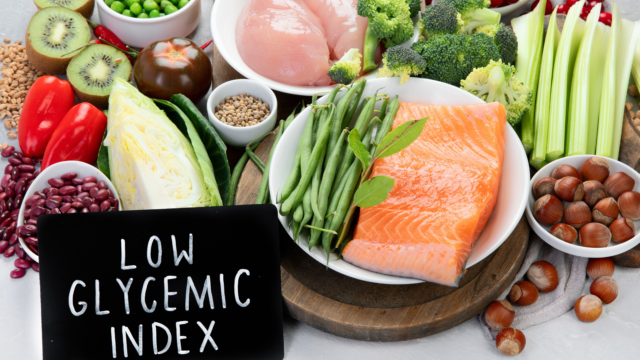
The glycaemic index (GI) measures how quickly carbohydrates in food raise blood sugar levels after eating. It categorises foods into low, medium, or high GI values, helping individuals make informed choices about their diet.
Understanding the glycaemic index is essential because it directly influences energy levels, appetite control, and long-term health risks such as diabetes. This knowledge allows people to select foods that promote stable blood sugar and sustained energy throughout the day.
By focusing on the GI, it becomes easier to identify which foods cause rapid spikes in blood glucose and which provide a slower, steadier release. This insight is valuable for managing weight, improving athletic performance, and supporting overall metabolic health.
What Is the Glycaemic Index?
The glycaemic index (GI) measures how carbohydrates in food affect blood glucose levels. It helps differentiate foods based on their impact on blood sugar and explains how glycaemic load (GL) adjusts this effect according to portion size.
Definition and Measurement
The glycaemic index ranks carbohydrates from 0 to 100 based on how quickly they raise blood glucose after eating. Pure glucose has a GI of 100 and serves as the standard for comparison. Foods with rapidly digestible carbohydrates have a high GI, causing a swift rise in blood sugar.
GI is measured by feeding subjects a portion of food containing 50 grams of digestible carbohydrates and tracking blood glucose over two hours. The blood sugar response curve area is compared to that of pure glucose.
This standardised measurement allows comparison between different carbohydrate sources, regardless of their natural sugar or starch content.
Glycaemic Index Categories
The GI is divided into three categories:
- Low GI (55 or less): Foods cause a slow and steady rise in blood glucose.
- Medium GI (56-69): Foods cause a moderate blood glucose increase.
- High GI (70 or above): Foods cause a rapid spike in blood glucose.
Examples of low GI foods include most fruits, legumes, and whole grains. High GI foods often include white bread, potatoes, and sugary snacks.
Categorising foods by GI helps in managing blood sugar levels, especially for people with diabetes or those aiming for better energy control.
Glycaemic Load Explained
Glycaemic load (GL) considers both the quality (GI) and quantity of carbohydrates in a serving, providing a more practical measure of a food’s impact on blood glucose.
The formula for GL is:
GL = (GI × amount of carbohydrate in grams per serving) ÷ 100
For example, watermelon has a high GI but low carbohydrate content per serving, resulting in a low GL. This means its actual effect on blood glucose is less significant than its GI alone suggests.
GL helps to evaluate real-life eating portions and their influence on blood sugar, making it a useful complement to the GI.
Factors Affecting the Glycaemic Index of Foods
The glycaemic index (GI) of a food is influenced by multiple factors that alter how quickly carbohydrates are absorbed into the bloodstream. These include the type of carbohydrate, fibre content, cooking methods, and even the ripeness of the food.
Type of Carbohydrate
Different carbohydrates have varying structures, which affect their digestion speed. Simple sugars like glucose and maltose raise blood sugar rapidly, resulting in a high GI. Complex carbohydrates, such as starches found in legumes and whole grains, are broken down more slowly, leading to a lower GI.
Amylose and amylopectin are two starch types that matter. Foods high in amylose are digested more slowly, lowering the GI, while amylopectin is quicker to digest. The presence of resistant starch, which passes through the digestive system without breaking down, also lowers the GI.
Fibre Content and Whole Grains
Fibre slows digestion, reducing the rate at which carbohydrates convert to glucose. Foods with higher fibre content, especially soluble fibre, tend to have a lower GI. Whole grains maintain their natural fibre and structure, which further slows carbohydrate absorption compared to refined grains.
Products made from whole grains like oats, barley, and brown rice generally show a lower GI than their processed counterparts. Fibre binds to sugars, delaying gastric emptying and glucose absorption, aligning with healthier glycaemic responses.
Cooking Methods and Processing
Cooking methods significantly influence the GI by altering the food’s structure. Boiling pasta al dente keeps the starch structure intact, leading to a lower GI than well-cooked or overcooked pasta, which breaks down starch into simpler forms.
Processing methods like milling and grinding increase the GI, as they reduce particle size and make starch more accessible to enzymes. For instance, instant oats have a higher GI than steel-cut oats. Cooling cooked starches (e.g., in rice or potatoes) can increase resistant starch content, lowering the GI.
Ripeness and Food Combinations
Ripeness affects sugar content; ripe fruits contain more simple sugars, raising their GI compared to unripe versions. For example, a ripe banana has a higher GI than an unripe one due to starch converting into glucose and fructose.
Combining carbohydrates with protein, healthy fats, or fibre reduces the overall glycaemic impact. These nutrients slow gastric emptying and reduce glucose absorption. Portion sizes also matter: larger carbohydrate intakes increase blood glucose response, even if the GI stays constant.
How Glycaemic Index Impacts Health and Disease
The glycaemic index (GI) affects how quickly carbohydrates raise blood glucose levels after eating. This influences insulin production, energy availability, and the risk of chronic diseases. Its impact is critical for managing various health conditions and maintaining metabolic balance.
Blood Sugar Regulation and Glycaemic Response
Glycaemic index measures how foods alter blood sugar levels post-consumption. Low-GI foods release glucose slowly, supporting steadier blood sugar control and avoiding sharp spikes.
Consuming high-GI foods causes rapid increases in blood glucose and insulin levels, which can lead to insulin resistance over time. This resistance impairs glucose tolerance and disrupts glycaemic control.
Maintaining balanced blood sugar through lower-GI diets helps stabilise energy levels and reduces strain on pancreatic function. This regulation is essential for overall metabolic health and preventing blood sugar imbalances.
Diabetes Management and Prevention
People with type 2 diabetes benefit from low-GI diets as these foods provide better glycaemic control by minimising blood sugar fluctuations. Steadier glucose levels reduce the need for insulin and lower the risk of hyperglycaemia.
Incorporating low-GI foods improves the body’s ability to regulate blood glucose, helping delay or prevent the onset of type 2 diabetes. This is especially important for individuals with insulin resistance or impaired glucose tolerance.
Glycaemic response monitoring is a useful tool in diabetes management, allowing tailored dietary choices that support medication efficacy and reduce complications related to poorly controlled blood sugar.
Weight Management and Satiety
Low-GI foods often increase satiety because they digest slowly, helping control appetite and reducing overall calorie intake. This can aid weight management by preventing overeating linked to rapid blood sugar drops.
Conversely, high-GI foods may trigger quick energy peaks followed by declines, contributing to hunger and cravings. This cycling can promote obesity and challenges in maintaining a healthy weight.
Managing blood sugar through low-GI diets supports more consistent energy levels. This helps regulate hunger signals and supports long-term adherence to calorie control strategies essential in weight management.
Heart Disease and Chronic Conditions
High glycaemic response is associated with increased risk of heart disease and chronic conditions due to its role in promoting inflammation and endothelial dysfunction. Fluctuating blood sugar levels can worsen lipid profiles and increase blood pressure.
Lowering the dietary GI supports improved blood sugar control and may reduce risk factors for cardiovascular diseases, such as high LDL cholesterol and insulin resistance. This impact is important in managing chronic disease progression.
Maintaining stable blood glucose through diet also contributes to reducing complications associated with obesity and type 2 diabetes, both major contributors to chronic heart conditions.
Practical Dietary Strategies for Balanced Blood Sugar
Effective blood sugar management involves selecting the right foods, controlling portions, and combining ingredients to lower the glycaemic impact. Understanding food choices and meal structure can help maintain steady energy levels and support overall nutrition.
Choosing Low-GI and High-Fibre Foods
Selecting foods with a low glycaemic index helps prevent rapid spikes in blood sugar. Emphasising whole grains like quinoa, oats, and brown rice provides sustained energy through slower digestion. These foods are also rich in fibre, which further reduces blood sugar response.
Legumes such as beans, lentils, and chickpeas are low-GI and high in protein and fibre, making them excellent choices. Vegetables like broccoli and spinach contribute minimal carbohydrates but add fibre and nutrients essential for a balanced diet.
In contrast, high-GI foods like white bread and watermelon cause quicker blood sugar rises. Prioritising low-GI options while including fibre-rich fruits such as apples and pears helps maintain stable glucose levels.
Portion Control and Meal Composition
Portion size directly influences blood sugar fluctuations. Smaller, well-balanced meals reduce the load on glucose regulation. Controlling calorie intake by moderating starches and sugars limits sharp glycaemic rises.
Combining carbohydrates with protein, healthy fats, and fibre slows absorption. For example, adding nuts or chia seeds to oats lowers the meal’s glycaemic impact. Foods rich in fats like almonds or olive oil, delay digestion and assist balanced blood sugar responses.
Eating consistent meals and avoiding large carbohydrate loads at once improves stability. This approach supports sustained energy and reduces the risk of blood sugar highs and lows.
Examples of Low- and High-GI Foods
| Low-GI Foods | High-GI Foods |
| Quinoa | White bread |
| Oats | Watermelon |
| Brown rice | White rice |
| Lentils | Potatoes (boiled) |
| Chickpeas | Pineapple |
| Apples and pears | Cornflakes |
| Broccoli and spinach | Jelly sweets |
| Nuts (almonds) and chia seeds | Sugary drinks |
Including low-GI foods supports a controlled blood sugar level. Avoiding or limiting high-GI foods like white bread or watery fruits can prevent sharp glucose spikes.
Tips for Sustainable Low-GI Eating
Planning meals around low-GI staples makes managing blood sugar easier over time. Stocking the kitchen with whole grains, legumes, and a variety of vegetables ensures healthy options are always available.
Preparing meals in advance can help avoid impulsive high-GI choices. Using spices and herbs to flavour meals reduces the need for sugary sauces or processed condiments.
Encouraging variety by mixing different low-GI foods, such as combining quinoa with chickpeas and spinach, prevents monotony. Maintaining hydration and eating regular meals also play roles in blood sugar balance.
These strategies support long-term adherence to a low-GI diet without sacrificing flavour or nutrition.