
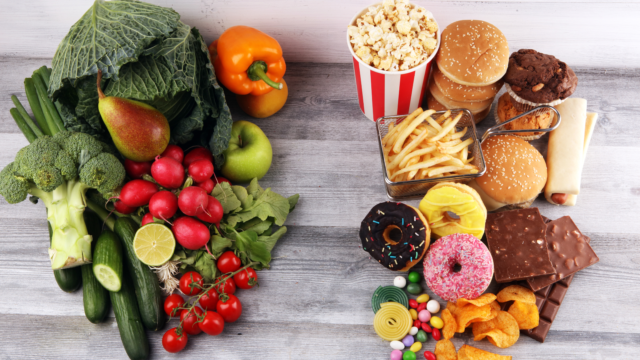
Whole foods are natural or minimally altered foods that retain their original nutrients, while processed foods have been changed through methods like freezing, canning, or adding chemicals. The key difference is that whole foods provide more natural nutrients and fewer artificial additives compared to processed foods.
Processed foods often contain added sugars, salts, and preservatives that can affect health over time. Whole foods, such as fruits, vegetables, grains, and nuts, offer a more straightforward source of vitamins and minerals.
Understanding this distinction can help people make informed choices about diet and wellbeing. Recognising the impact of food processing on nutrition is crucial for anyone looking to improve their eating habits.
Key Differences Between Whole Foods and Processed Foods
Whole foods and processed foods differ mainly in their composition, preparation methods, and nutritional value. Their distinction also influences dietary habits and health outcomes, particularly in the context of clean eating and diet culture.
What Defines a Whole Food
Whole foods are natural and unaltered by industrial processes. Examples include fresh fruits, vegetables, whole grains, nuts, seeds, legumes, and unprocessed meats or dairy.
They retain their original nutrients, fibre, and phytochemicals intact. This makes them fundamental to a nutrient-rich diet.
Whole foods align closely with clean eating principles, emphasising foods in their simplest form. Minimally processed foods, like washed vegetables or roasted nuts, are often included here as they remain largely unchanged.
What Constitutes a Processed Food
Processed foods undergo changes from their original state for preservation, taste, or convenience. These include canned vegetables, cured meats, baked goods, and ready meals.
They often contain added salt, sugar, fats, or preservatives. Packaged foods also fall under this category if they change significantly from whole ingredients.
Some processed foods, called minimally processed, retain much of their natural nutrition. However, ultra-processed foods, such as sugary drinks, snacks, and instant noodles, usually have low nutritional quality and high additives.
Levels of Food Processing
Food processing ranges from minimal to ultra-processed. Minimally processed foods are washed, cut, or frozen but retain most nutrients.
Processed foods include canned or fermented items with added ingredients. Ultra-processed foods are industrial formulations, often lacking whole food components and containing artificial flavours, colours, and stabilisers.
Understanding these levels helps clarify the dietary role of each type. It also assists in making informed choices within diet culture and clean eating frameworks.
Nutritional Value and Health Implications
Whole foods generally provide more balanced nutrients and fibre, while processed foods often contain added substances that can affect health negatively. The specific differences in nutrients, additives, and their effects on digestion and inflammation are critical to understanding their impact.
Nutrients and Dietary Fibre
Whole foods retain most of their natural nutrients and dietary fibre, which supports digestive health and regulates blood sugar. Fruits, vegetables, whole grains, nuts, and legumes contain important fibres like cellulose and pectin that processed foods usually lack.
Processed foods often lose significant fibre during refinement and may be stripped of beneficial nutrients. The removal of fibre in processed grains and snacks reduces the feeling of fullness and can contribute to overeating. Fibre’s role in promoting gut health and preventing constipation is diminished in processed alternatives.
Vitamins, Minerals, and Additives
Whole foods naturally contain essential vitamins and minerals such as calcium, vitamin D, potassium, and magnesium in their bioavailable forms. These nutrients assist in bone health, immune function, and energy metabolism.
In contrast, processed foods often lose some vitamins and minerals through manufacturing. To compensate, they may include additives, fortified vitamins, or minerals. However, synthetic additives do not always provide the same health benefits as those naturally occurring in whole foods.
Sodium, Sugars, and Preservatives
Processed foods tend to contain higher sodium, added sugars, and preservatives. Excess sodium intake is linked to increased blood pressure, while high levels of added sugars contribute to weight gain and metabolic disorders.
Natural sugars found in whole fruits are accompanied by fibre and water, which moderate blood sugar spikes. Processed snacks and sugary drinks, however, often contain refined sugars without fibre. Preservatives in processed foods extend shelf life but may cause sensitivities in some individuals and do not provide nutritional value.
Impact on Digestion and Inflammation
High-fibre whole foods support healthy digestion by feeding beneficial gut bacteria and promoting regular bowel movements. These foods also help reduce inflammation by supplying antioxidants and phytochemicals.
Processed foods, low in fibre and high in refined fats and sugars, can disrupt gut microbiota balance and promote inflammation. Chronic inflammation linked to processed food consumption is associated with a higher risk of chronic diseases such as heart disease and type 2 diabetes.
Examples of Whole Foods and Processed Foods
Whole foods typically retain their natural form and nutrients, while processed foods often contain added ingredients that alter their original composition. The distinction can be seen clearly in different food groups, such as grains, vegetables, animal products, nuts, oils, dairy, and packaged goods.
Whole Grains, Fruits, and Vegetables
Whole grains include foods like brown rice, oats, quinoa, and whole wheat. They contain all parts of the grain kernel, such as the bran, germ, and endosperm, which provide fibre, vitamins, and minerals.
Fruits and vegetables are considered whole foods when eaten fresh, frozen without additives, or minimally prepared. For instance, an apple, broccoli, or raw carrots retain their natural vitamins and fibre.
Refined cereals, such as white bread or cornflakes, are processed and often lose nutrients during manufacturing. Foods labelled “whole grain” usually indicate minimal processing and better nutritional value.
Animal-Based Foods: Meats and Eggs
Whole animal-based foods include fresh cuts of meat, such as chicken breasts, beef steaks, or fish fillets, and eggs in their natural state. These foods provide proteins, fats, vitamins like B12, and minerals such as iron.
Processed meats, such as hot dogs, sausages, or deli meats, contain added salt, preservatives, and sometimes fillers. These alterations can affect nutritional quality and increase sodium intake.
Eggs should be consumed fresh or boiled, while pre-packaged egg products may contain additives or preservatives, reducing their classification as whole foods.
Nuts, Oils, and Dairy Products
Whole nuts, including almonds, walnuts, and pistachios, are minimally processed if shelled but not roasted or salted heavily. They provide healthy fats, protein, and fibre.
Oils like extra virgin olive oil are considered whole when extracted naturally without refining. Processing methods that bleach or deodorise oil reduce its health benefits.
Dairy products such as plain yoghurt and milk are whole when free from added sugars or flavourings. Flavoured yoghurts and cheese spreads often fall under processed categories due to additives and preservatives.
Common Processed and Packaged Foods
Processed foods include hot dogs, ready meals, instant noodles, and sugary cereals. These products contain multiple ingredients such as additives, colours, salt, and preservatives that alter their nutritional profile.
Snacks like crisps and biscuits usually involve refining and include unhealthy fats or excess sugars. Label reading is crucial to distinguish processed foods from minimally processed whole foods.
Packaged foods are designed for convenience but typically have reduced natural nutrients compared to their whole food counterparts.
Practical Considerations and Food Choices
Choosing between whole and processed foods often involves balancing nutrition, convenience, and personal preferences. Understanding how to read labels, gradually including more whole foods, and seeking professional guidance can improve diet quality effectively.
Reading Labels and Making Informed Decisions
Labels provide essential information about ingredients, nutrient content, and additives. It is important to prioritise products with fewer ingredients and with names easily recognised as natural foods.
Nutrition facts like sugar, sodium, saturated fat, and fibre must be examined carefully. For example, products high in added sugars or sodium may contribute to poor health outcomes over time.
Looking for certifications such as “organic” or “non-GMO” can also guide choices, but does not guarantee overall healthfulness. A registered dietitian can explain label details and help interpret claims objectively.
Incorporating More Whole Foods Into Your Diet
Gradual changes tend to be sustainable when increasing whole food intake. Incorporating whole grains, fresh fruits, vegetables, nuts, and legumes in meals can boost fibre and micronutrient intake.
Meal planning, batch cooking, and simple swaps like using wholemeal bread or brown rice help make whole foods more convenient. Preparing raw vegetables as snacks rather than processed options reduces the intake of additives.
Consistency is key; small, manageable adjustments are more effective than drastic changes. Registered dietitians often recommend focusing on variety and balance to meet nutrition needs without stressing over perfection.
Role of the Registered Dietitian
A registered dietitian provides personalised nutrition advice based on individual health status and lifestyle. They assess dietary patterns, identify nutrient gaps, and suggest tailored strategies to replace processed foods with nutrient-dense whole foods.
Dietitians also support behaviour change by offering practical tools and addressing barriers such as time constraints or limited cooking skills. Their guidance can improve long-term diet quality and health outcomes.
Consulting a dietitian is especially beneficial for people with specific health conditions, as they can design diets that consider medical needs while emphasising whole foods.